Madonna’s Confessions II: The Dance Floor and the Power of Resistance
“Only when I’m dancing can I feel this free.”
In 1985, Madonna sang these words in Into the Groove, a line as bright and effortless as the funk-pop beat beneath it. Forty-one years later, in 2026, she sings: “Out here on the dance floor, I feel so free.” The words are nearly identical. The dance floor remains. And yet, everything has changed.
From Personal Freedom to Collective Shelter
In 1985, freedom was personal—a 26-year-old body losing itself in the music, unburdened by the world. In 2026, freedom is still a struggle. It isn’t found through dancing, but because we dance together. This subtle shift in meaning seems to be the essence of Confessions II.
At 67, Madonna has lived through the AIDS crisis, legislative rollbacks, and relentless public scrutiny. She has watched as the rights of Black, Latino, queer communities, and women—her chosen family—have been constantly threatened, contested, and undermined. In this context, the dance floor is no longer just an escape. It never was. It’s a sanctuary, a refuge for those who have been marginalized, erased, or pushed to the edges. A place where bodies gather not only to celebrate, but to resist, to persist, and to survive.
A Campaign Built on Symbols
On April 14, 2026, Madonna wiped her Instagram clean, leaving only a line from Hung Up: “Time goes by so slowly…” The next day, a 60-second teaser announced Confessions II, set for release on July 3. The press release declared: “The dance floor is not just a place—it’s a threshold, a ritualistic space where movement replaces language.”
Within 72 hours:
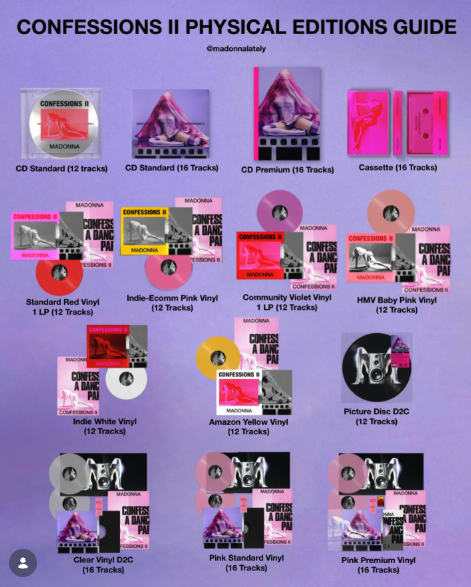
- 14 physical editions were available for pre-order.
- Wheatpasted posters appeared in New York, London, Paris, Berlin, and Milan—the five capitals of queer nightlife.
- I Feel So Free premiered exclusively on Pride Radio, iHeartRadio’s LGBTQ+ station, 14 hours before hitting streaming platforms.
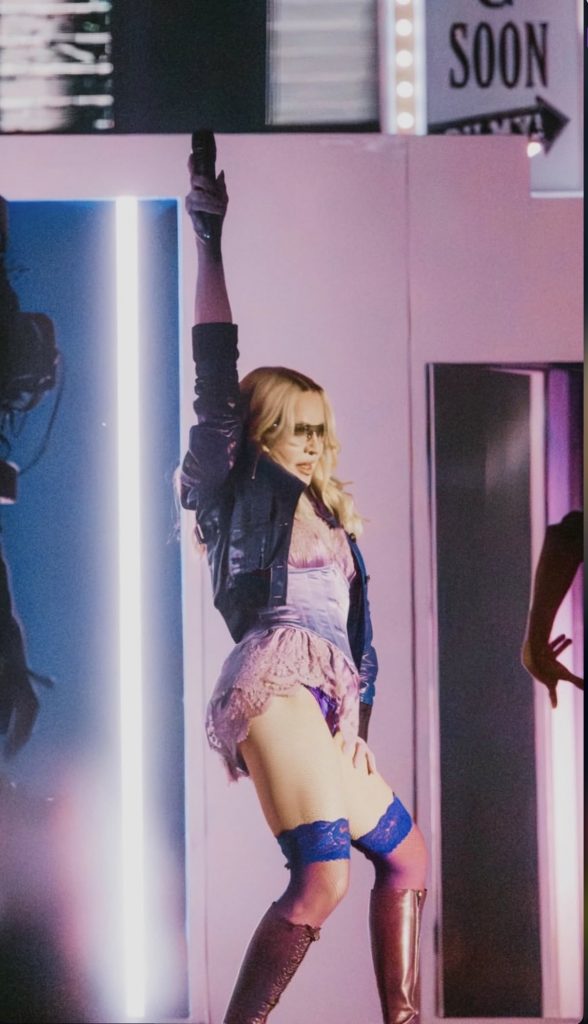
- Madonna made a surprise appearance at Coachella, emerging during Sabrina Carpenter’s set in the same boots and corset she wore on that stage in 2006. Carpenter, 26, told her: “No thanks needed, Madonna. You can have whatever you want.”
Five days later, the single topped iTunes charts in 34 countries—without a music video, radio push, or tour announcement. Each move was strategic. Together, they formed a statement.
The Main Cover: A Veil, a Triangle, and a Challenge
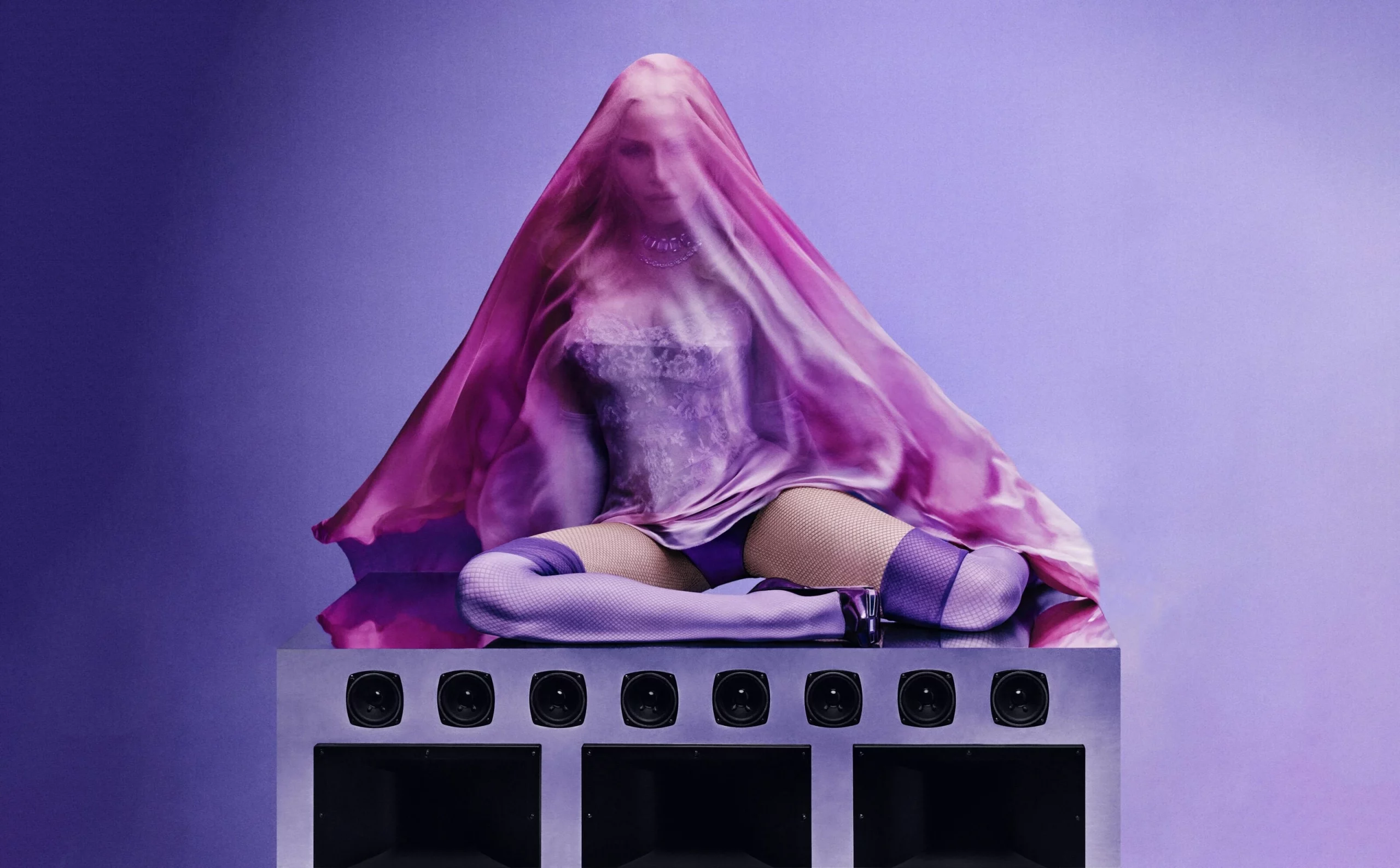
The primary artwork for Confessions II, used for the deluxe 2LP and CD, was shot by Rafael Pavarotti, a 33-year-old Afro-Indigenous Brazilian photographer known for celebrating Black and Indigenous identity. His collaboration with Madonna is deliberate: entrusting the visual identity of an album reclaiming the dance floor to a photographer like Pavarotti is the campaign’s first political act.
In the image, Madonna sits on an oversized speaker, her body angled forward. She wears a lavender lace bodysuit, fishnet stockings, and her signature boots. A magenta-pink silk veil cascades from her head to her waist, covering her face and torso but leaving her legs exposed. The fabric forms an unmistakable pink triangle.
The pose echoes the Confessions on a Dance Floor (2005) cover. But the perspective is inverted. In 2005, Madonna turned her back. In 2026, she faces us. The face is veiled, yet beneath the silk, one senses an almost vengeful, conquering expression—a presence both mysterious and powerful. The image evokes The Veiled Virgin, but this is no passive figure. This is a mysterious, potent entity, both vulnerable and indomitable, as if a deity of the dance floor had descended to reclaim her throne.
The face is hidden, but the torso is turned towards us, and there is nothing inviting about this posture. What you read in it is confrontation. Mysterious, mystic, determined, ready for a fight. Against what? Against everything that 2025-2026 has accumulated: the laws, the mockery, the erasures, the executive orders. Against queer bodies pushed back into the margins. Against women told their expiration date has passed. Against Black and Latino communities targeted by systemic oppression.
The Pink Triangle: A History of Resistance
The pink triangle’s origins are brutal. Under Nazi rule, homosexual men in concentration camps were forced to wear it as a badge of shame. Between 1933 and 1945, an estimated 5,000–15,000 were interned; two-thirds died. The symbol remained a mark of criminality in Germany until 1994. In the 1970s and 1980s, queer activists reclaimed the triangle. ACT UP’s Silence = Death project flipped it upward, turning it into a defiant emblem of resistance during the AIDS crisis. Madonna’s connection to this symbol is personal. She lost friends to AIDS, including Keith Haring. The pink triangle on Confessions II is no accident. It’s a deliberate invocation of a history she has lived.
The Other Covers: Birth and Defiance
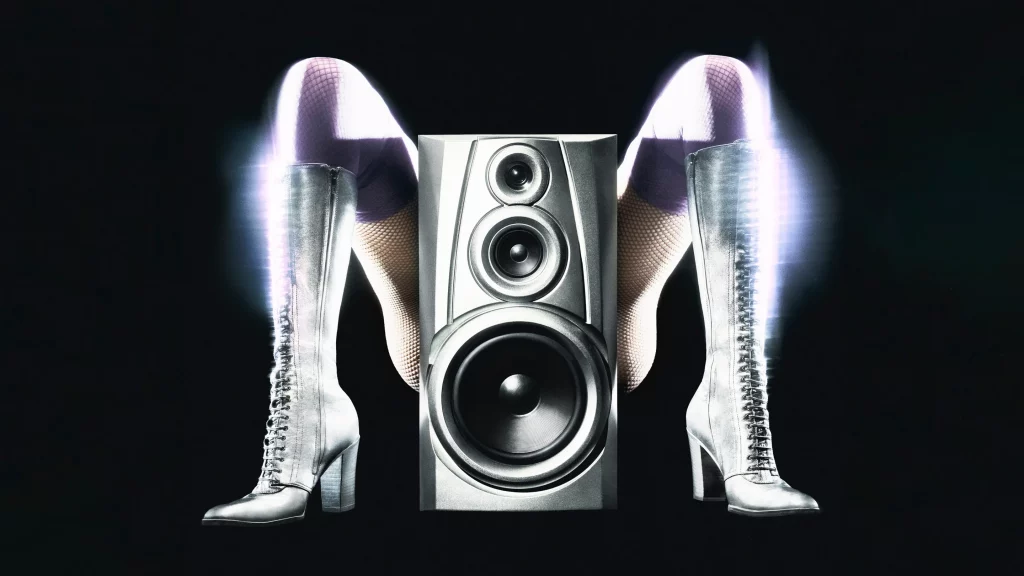
The Second Cover: The Speaker as Birth
Used for the picture disc and merchandise, this image is the most provocative. Madonna straddles a silver speaker, her boots forming the strokes of an M. The image evokes birth, as if the music itself is emerging from her body. The reference is clear: Frida Kahlo’s My Birth (1932), a painting Madonna has owned for decades and once called a test of friendship.
The Third Cover: The Knee on the Ground
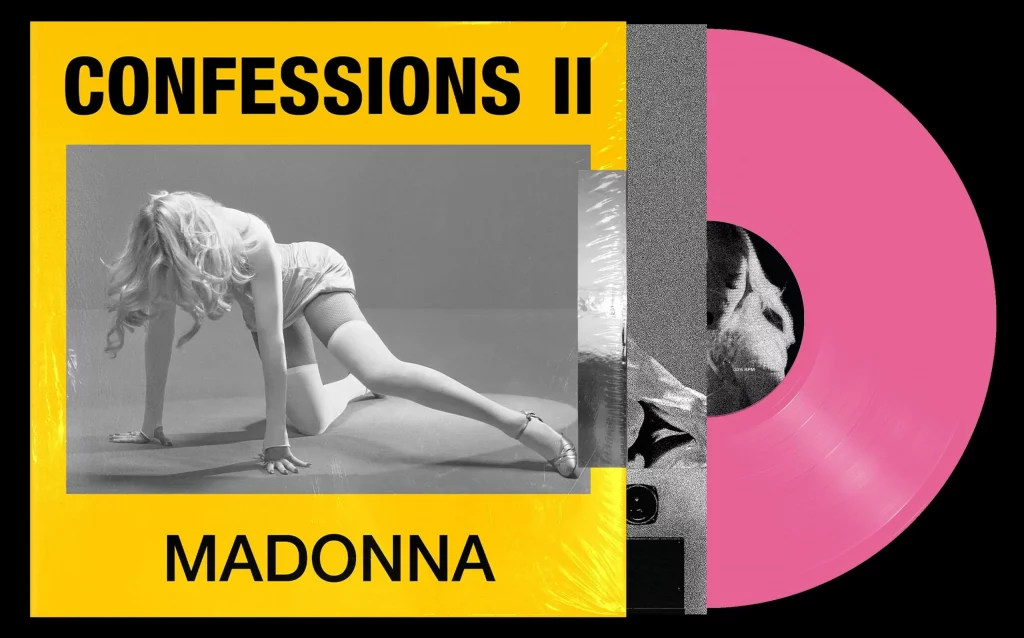
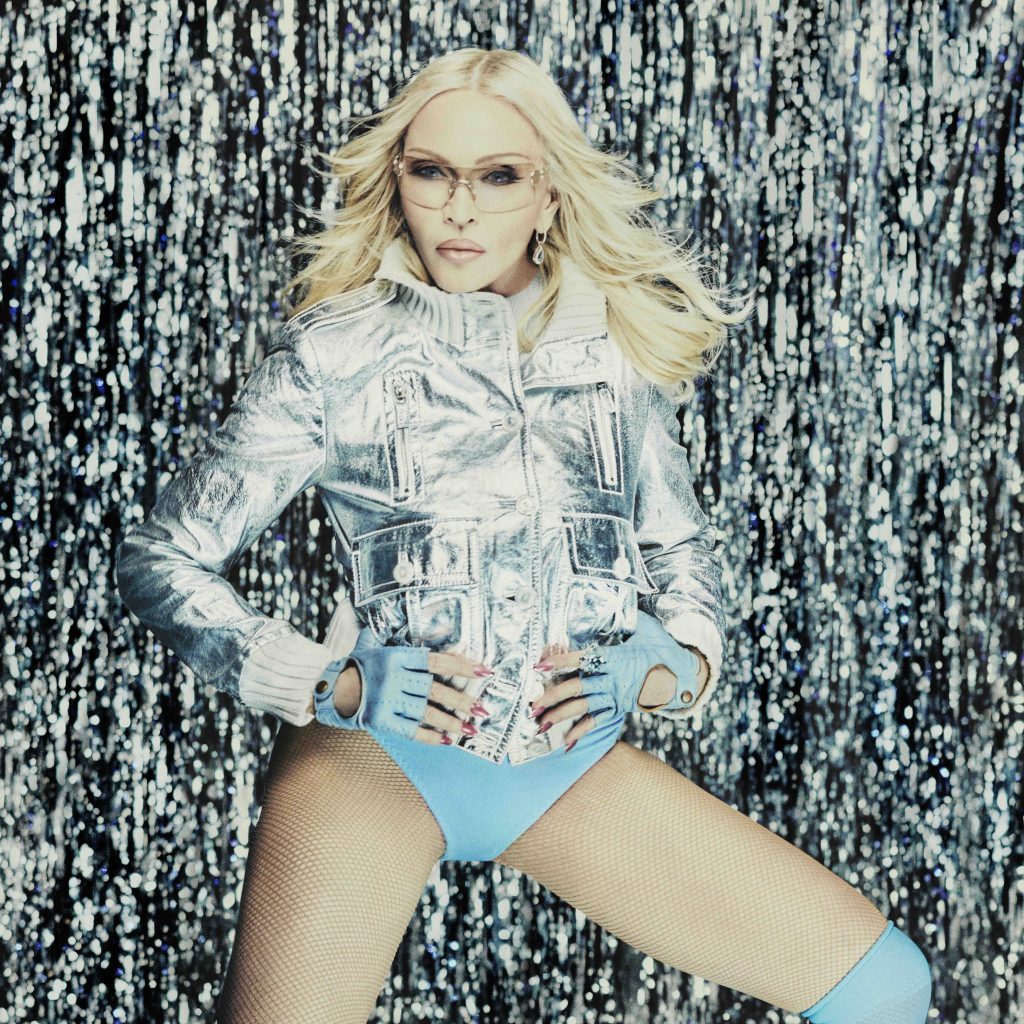
Used for the standard editions and wheatpasted posters, this black-and-white image shows Madonna kneeling, her body arched in ambiguity. Is she dancing? Rising? Recovering from a fall? The pose captures the dance floor’s duality: celebration and struggle.
This is the cover plastered across five cities. It doesn’t declare “I reign.” It says: “I’m here, with you, at street level.” The knee on the ground is a symbol of protest, from Colin Kaepernick to global movements. It’s defiance, not submission.
The Song: I Feel So Free
I Feel So Free is not just a song—it’s a duality. It begins with a spoken confession, intimate and vulnerable, as if Madonna is whispering directly to you:
“I like to hide in the shadows…
Create a new persona…
It’s really hard for me to trust people…
Can you blame me?”
This is the voice of someone who has been hurt, who has learned to protect herself, who has spent decades navigating the glare of fame and the weight of expectation. It’s raw, unfiltered, almost fragile.
But then, the beat drops.
The spoken word gives way to the irresistible call of the siren song—the chorus, a hypnotic chant:
“That’s why I like to go dancing…
Safety in numbers …
That’s why I like to go dancing…
Safety in numbers …
Safety in numbers.”*
The contrast is deliberate. The vulnerability of the spoken verses and the magnetic, almost spellbinding power of the chorus create a tension that defines the song. One is the whisper of survival; the other is the anthem of resistance. Together, they form a dialogue—the confession and the liberation, the shadow and the light.
“Safety in numbers” repeats three times, each iteration landing like a punch. The phrase has roots in biology—herd animals survive by moving as one—but it’s also a political strategy. From suffragette marches to Pride parades, collective action has always been a shield.
Madonna’s lyrics aren’t abstract. For anyone who has walked down a street in nonconforming clothing at 2 a.m. in 2026, “safety in numbers” isn’t a metaphor. It’s a lifeline.
The production mirrors this sentiment. As the third “safety” drops, the beat pauses, as if the music itself is holding its breath. Then it returns, harder and denser, as if the crowd has reconvened, stronger. The arrangement enacts the lyrics: safety isn’t given. It’s won through mutual recognition and collective restart.
This isn’t a feel-good dance track. It’s a definition of the dance floor as a space of post-traumatic resilience. In 2005, Confessions on a Dance Floor offered liberation. In 2026, Confessions II offers shelter.
Why Now?
The political backdrop is undeniable. Since January 2025, the U.S. has seen:
- Federal orders redefining sex as binary, banning gender-affirming care for minors, and reinstating the trans military ban.
- 575 anti-LGBTQ+ bills introduced in 2025 alone.
- The Stonewall National Monument’s acronym changed from LGBTQ+ to LGB.
- Increased ICE raids in Latino neighborhoods.
In Europe:
- Hungary banned Pride and criminalized its participants.
- The UK Supreme Court defined woman by biological sex.
- Italy criminalized international surrogacy as a “universal crime.”
- Germany’s far-right AfD reached 21% in federal elections.
Madonna has faced ageism and misogyny for a decade. Her 2023 Grammys appearance, where she introduced the first trans performance in the ceremony’s history, was met with face-shaming memes. Her response was sharp: “Once again I am caught in the glare of ageism and misogyny… a world that refuses to celebrate women past the age of 45.”
Releasing a militant dance album at 67—with a pink triangle on the cover, an Afro-Indigenous photographer, a trans producer, and a kneeling figure on city walls—is a radical act. It rejects the “heritage” label. It refuses to let female longevity in pop be a punchline.
The Sentence, Forty-One Years Later
In 1985: “Only when I’m dancing can I feel this free.” Freedom was personal, joyful, unburdened.
In 2026: “Out here on the dance floor, I feel so free.” Freedom is collective, political, hard-won. The dance floor isn’t an escape. It’s a shelter. The “out here” isn’t about coming out—it’s about finding a space where the outside world can’t reach you, because you’re surrounded.
Safety in numbers.
Between these two sentences: 41 years of struggle, loss, and resistance. Decades of battles for visibility, equality, and survival. A lifetime of watching progress made and then threatened, of seeing communities rise and then be pushed back. And yet, through it all, Madonna remains—defiant, unyielding, and still dancing.
The posters are already on the walls. The song is already playing. And the sentence—her sentence, sung for four decades—has never meant more than it does now.
Three words. Three repetitions. A mantra for survival.
Safety in numbers.